HomeAI Build SprintProposition 01AI employeeProposition 02Use casesCasesInsights
About us
Plan an introduction

From 50+ AI trainings to the Gen-AI Labs: teams at Leiden University build internal prototypes in three sessions

For Leiden University we developed the Gen-AI Labs, in which multidisciplinary teams build their own generative AI prototypes across three sessions. After more than fifty AI trainings, the focus shifts from AI literacy to identifying, testing and further developing concrete use cases within the organisation.

Client

Universiteit Leiden

Industry

Hoger onderwijs & onderzoek

Services

AI-trainingenPrototypingGen-AI Labs
01

Situation

At Leiden University it started with a broad movement to make staff AI literate. We delivered more than fifty AI foundation trainings for university staff. As a result, people recognised opportunities and risks more quickly, and could talk about them together without working at cross purposes.

The approach was open to staff from different departments: researchers, administrative teams, operational colleagues, people who keep processes running and people who create and verify new knowledge. That mix meant the use cases didn't stay theoretical, but were tested against reality straight away.

02

Challenge

After the trainings came the logical next question: not just "how does it work", but "how do we put this to use so that it really helps us?". There was a clear need to go beyond inspiration, to work with real use cases, test ideas and build prototypes.

The challenge was to make the move from AI literacy to identifying, testing and further developing concrete, scalable solutions within the organisation.

03

Solution

That question gave rise to the Gen-AI Labs: a programme less about broadcasting and more about building. The university set up a safe online environment in which staff could work with language models. Not isolated experiments, but a controlled place where you can learn, test and improve as an organisation. In that environment teams turned ideas into prototypes by writing system prompts and testing iteratively.

The programme consisted of three lab sessions, each with a clear rhythm: sharpen what you build, build and test, and then present with a plan for next steps. We coached teams on grounding, reliability and evaluation: how to make sure answers are based on sources, how to write instructions for language models, and how to let systems work together across multiple steps. This led not only to better results, but also to more trust, because you can explain why an answer is correct and when you should not use it.

Teams also learned to build system prompts, with best practices around role, task, context, constraints, examples and a consistent tone of voice. Structured output was an important part, because many internal processes only really speed up when the output is predictable: think of tables, lists, category choices or formats that can flow straight into a next system. We also helped shape product features around the interaction, such as source references, feedback loops, versioning of prompts, fixed test questions and simple guardrails for users. Those choices make the difference between a nice demo and a prototype that is ready for further development.

04

Result

This produced prototypes that went beyond "a chat": first versions of solutions, with clear scope, a focus on quality and attention to integration. In every session we brought teams a step closer to the question of what is needed to truly land this as an internal product: which data or documents are required, where it connects to existing systems, who becomes the owner, what the next iterations are and how you safeguard quality.

As a result, teams left not just with a result, but with a direction. After more than fifty trainings, the focus shifted from AI literacy to independently identifying, testing and further developing concrete use cases within the university.

Keep exploring

More of our work.

View all cases
Case · Bouwend Nederland

Bouwend Nederland

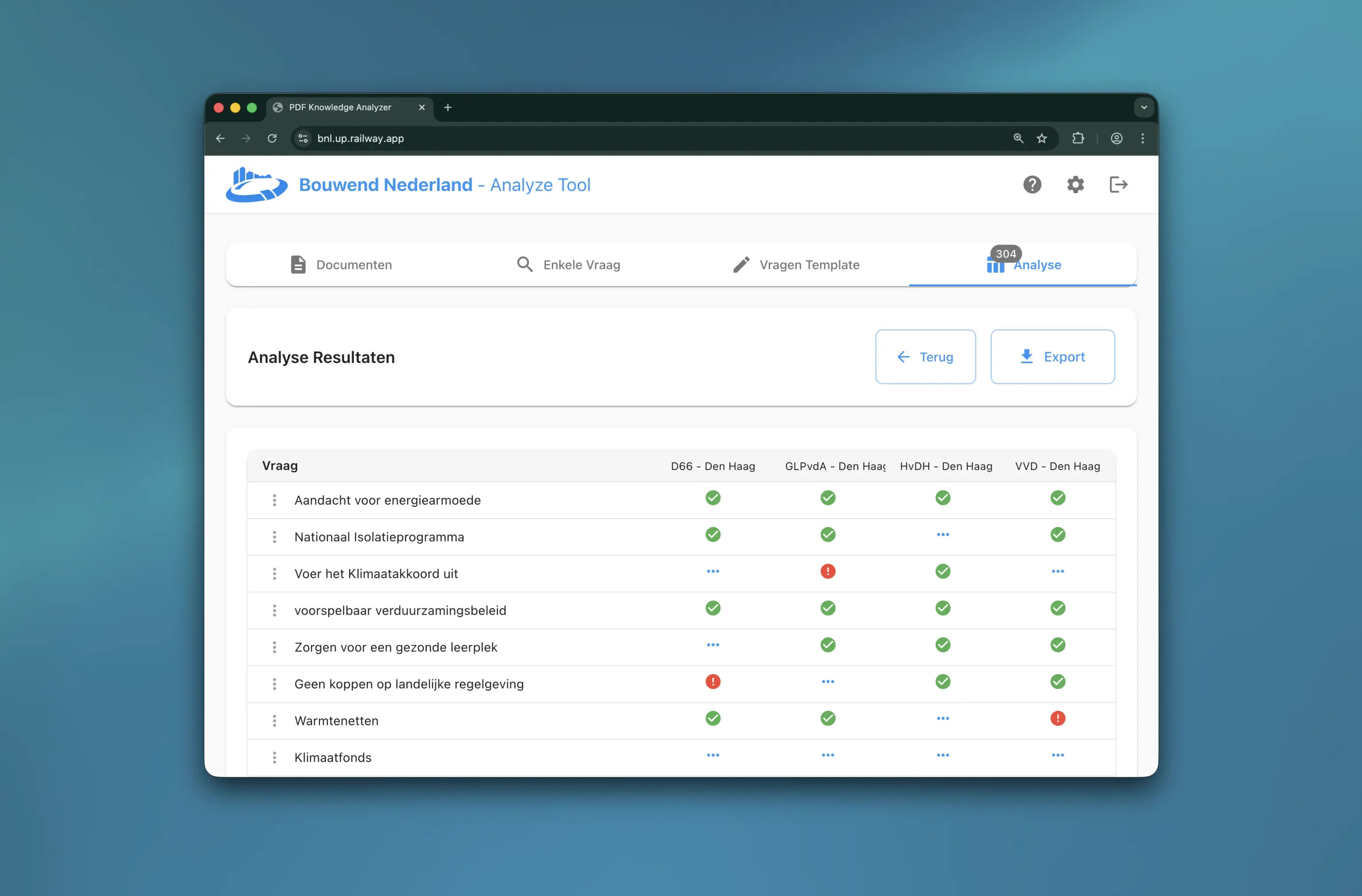
For Bouwend Nederland we built an AI tool that analyses large volumes of documents and turns them into a comparable overview through a matrix interface. With RAG and vector search, dozens of documents can be queried at once on the same questions, including source fragments for transparent decision-making.

Read the case
Case · The Hague & Partners

The Hague & Partners

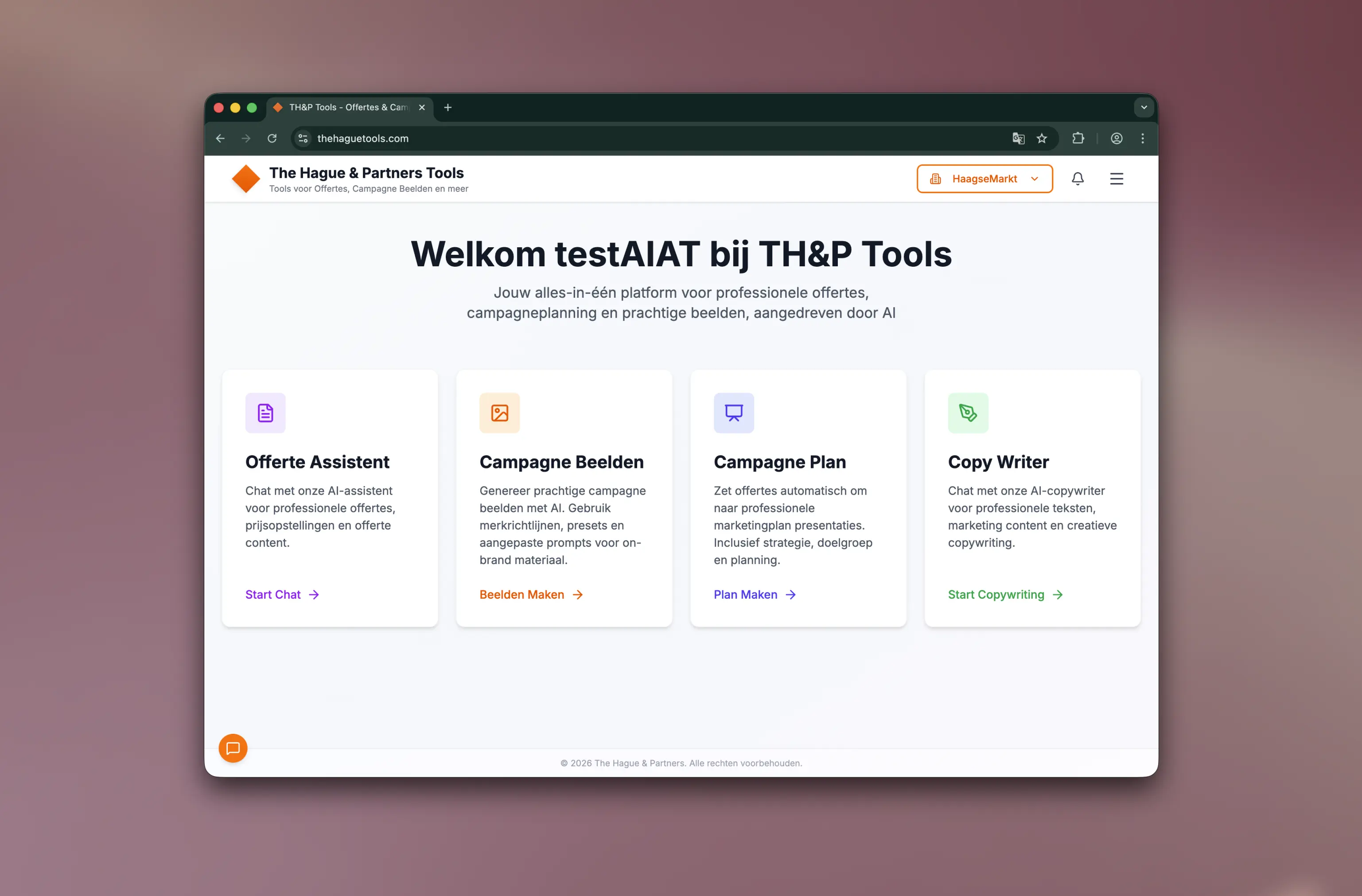
For The Hague & Partners we built an integrated AI platform that automates the entire campaign process within their existing Microsoft environment. From quote to live content: one end-to-end workflow with secure data integration, higher speed and maximum consistency.

Read the case
Case · TNO

TNO

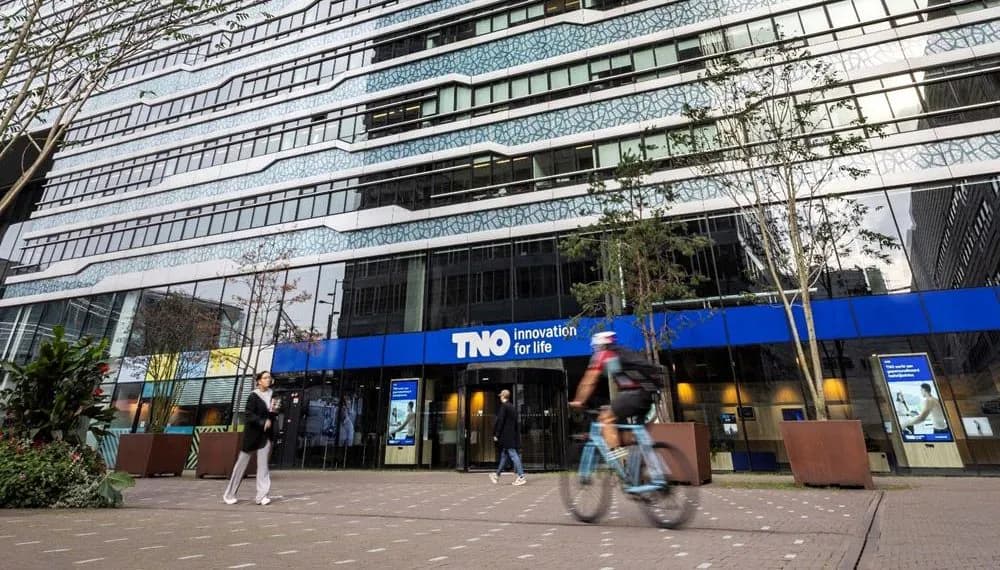
For TNO we set up a GenAI Business Consultant Team that systematically links generative AI to strategic objectives and revenue impact. Through structured use case identification, impact/effort prioritisation and rapid validation, AI shifts from isolated productivity gains to scalable business cases and profit growth.

Read the case

Could you be our next case?

In 20 minutes we look together at where your work gets stuck and what the logical first step is.

No sales pitch. 20 minutes about your situation.